Behind the Scenes of Slaughter Night: The Making of Thomas Sahagun's Most Talked About Horror Film
When audiences watched Slaughter Night, they saw a brutal horror film filled with tension, fear, and a killer that quickly became one of the most talked-about characters in independent horror. What many fans didn't see was the hard work, long nights, and unexpected moments that happened behind the camera.
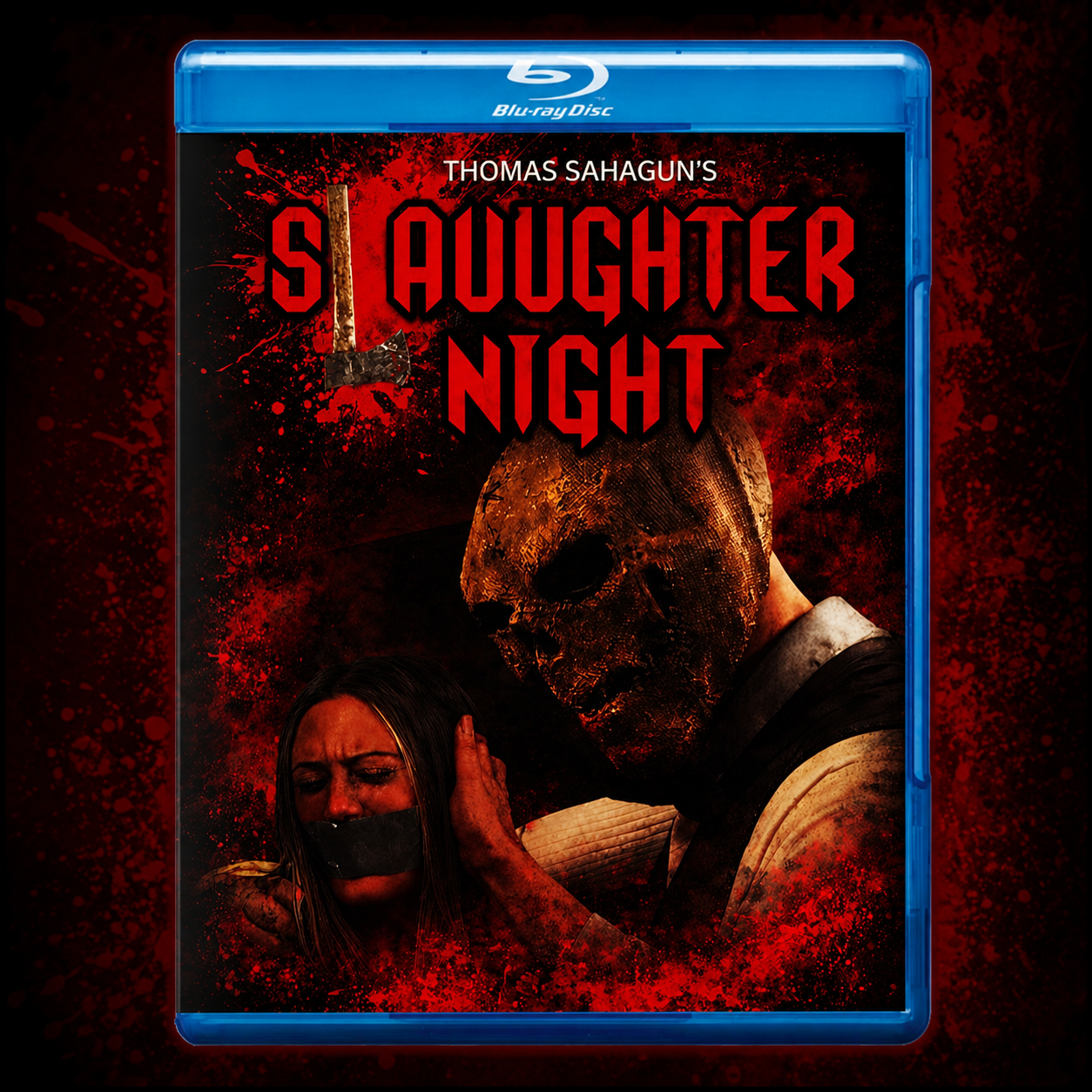
Written, directed, and edited by Thomas Sahagun, Slaughter Night was never meant to be just another independent horror movie. From the beginning, the goal was to create something that would leave an impression on viewers long after the credits rolled. The film follows a family whose getaway turns into a nightmare when they encounter a sadistic psychopath. Since its release, fans have praised the killer, the practical effects, and the film's willingness to push boundaries. The movie was produced through Elite Films Production and featured a cast and crew determined to make something memorable despite the challenges of independent filmmaking.
Like most independent productions, the road to completing Slaughter Night was anything but easy.
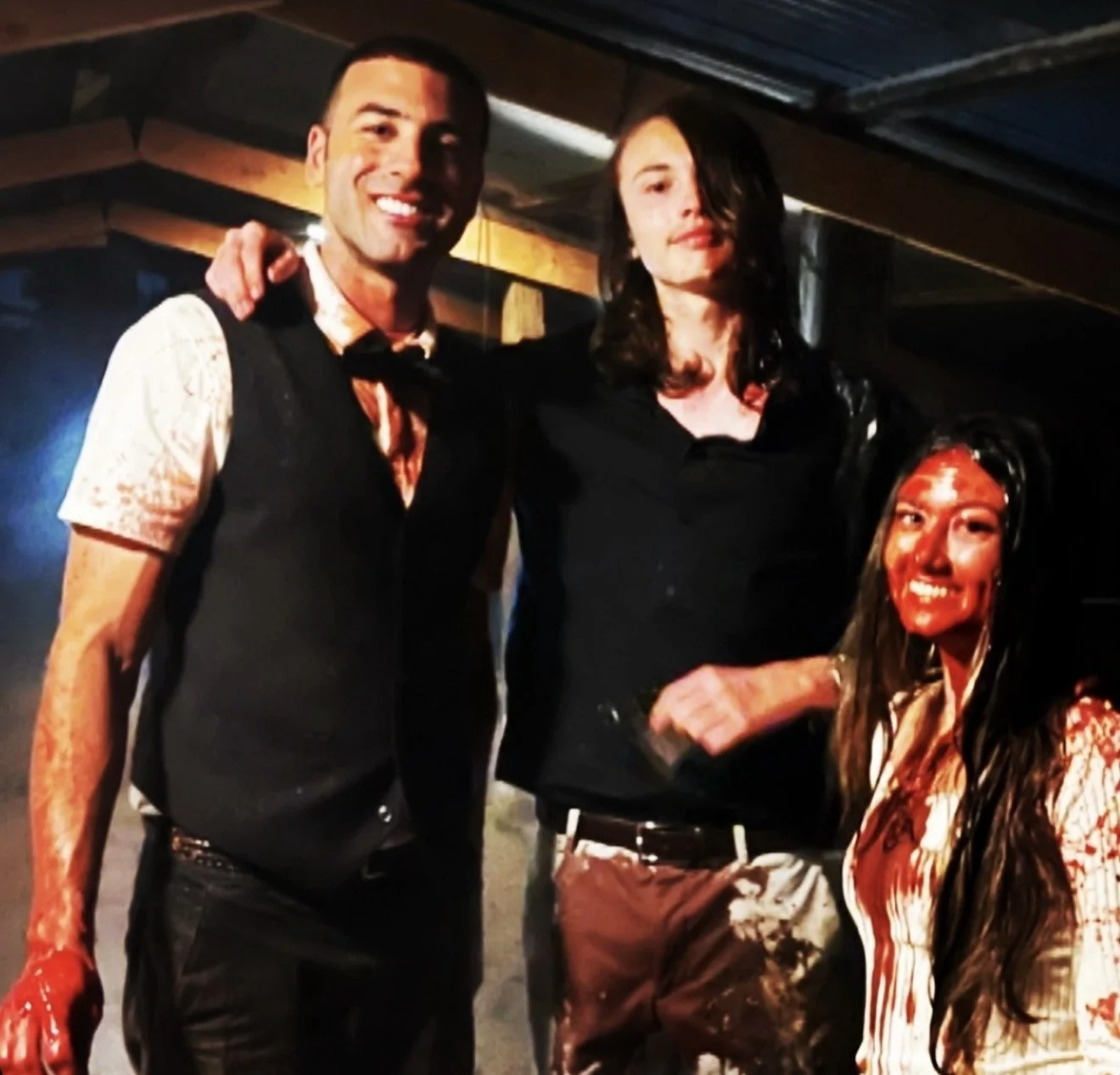
Many days on set began early in the evening and stretched late into the night. Cast and crew members often found themselves filming scenes under difficult conditions, trying to stay on schedule while making sure every shot looked as good as possible. Independent filmmaking requires everyone to wear multiple hats, and Slaughter Night was no exception.
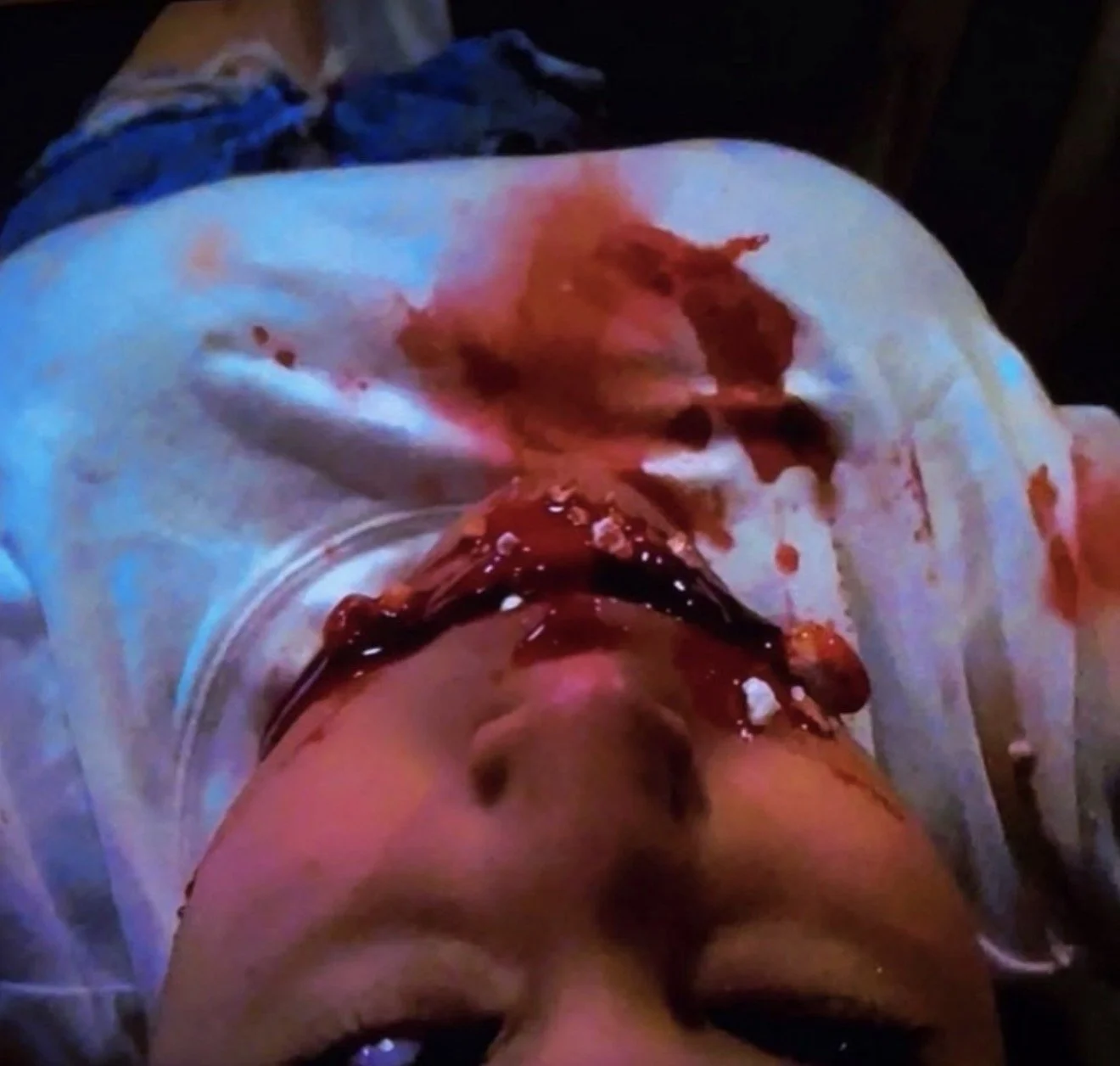
One of the biggest challenges was creating realistic horror scenes. While audiences only see a few minutes of screen time, some scenes required hours of preparation. Special effects makeup had to be applied, costumes had to be adjusted, and camera angles had to be carefully planned to make every moment believable.
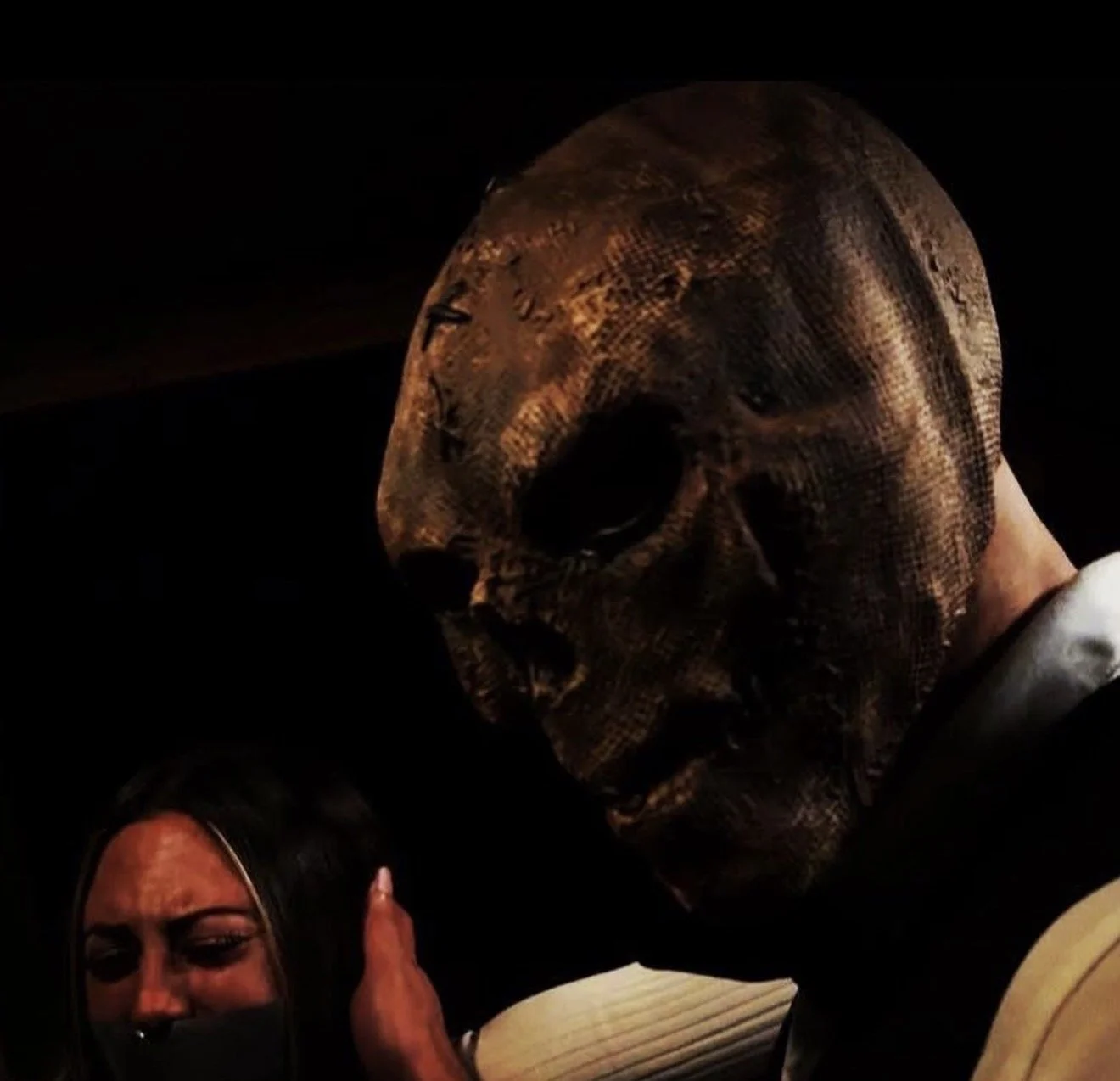
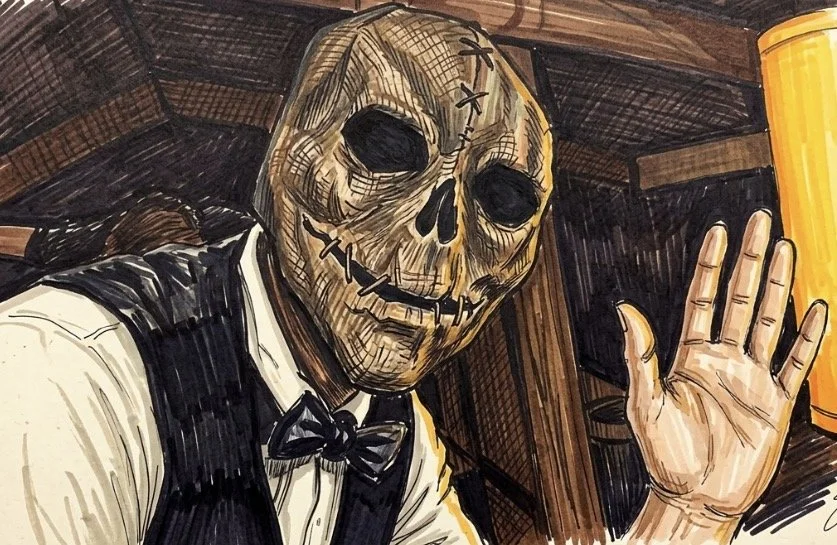
The actor behind Mr. Slaughter spent countless hours preparing for the role. The mask, suit, and overall appearance of the character became a major focus during production. Thomas Sahagun wanted the killer to feel unsettling even when he wasn't speaking. Small details such as body movements, posture, and the way the character entered a scene were discussed repeatedly throughout filming.
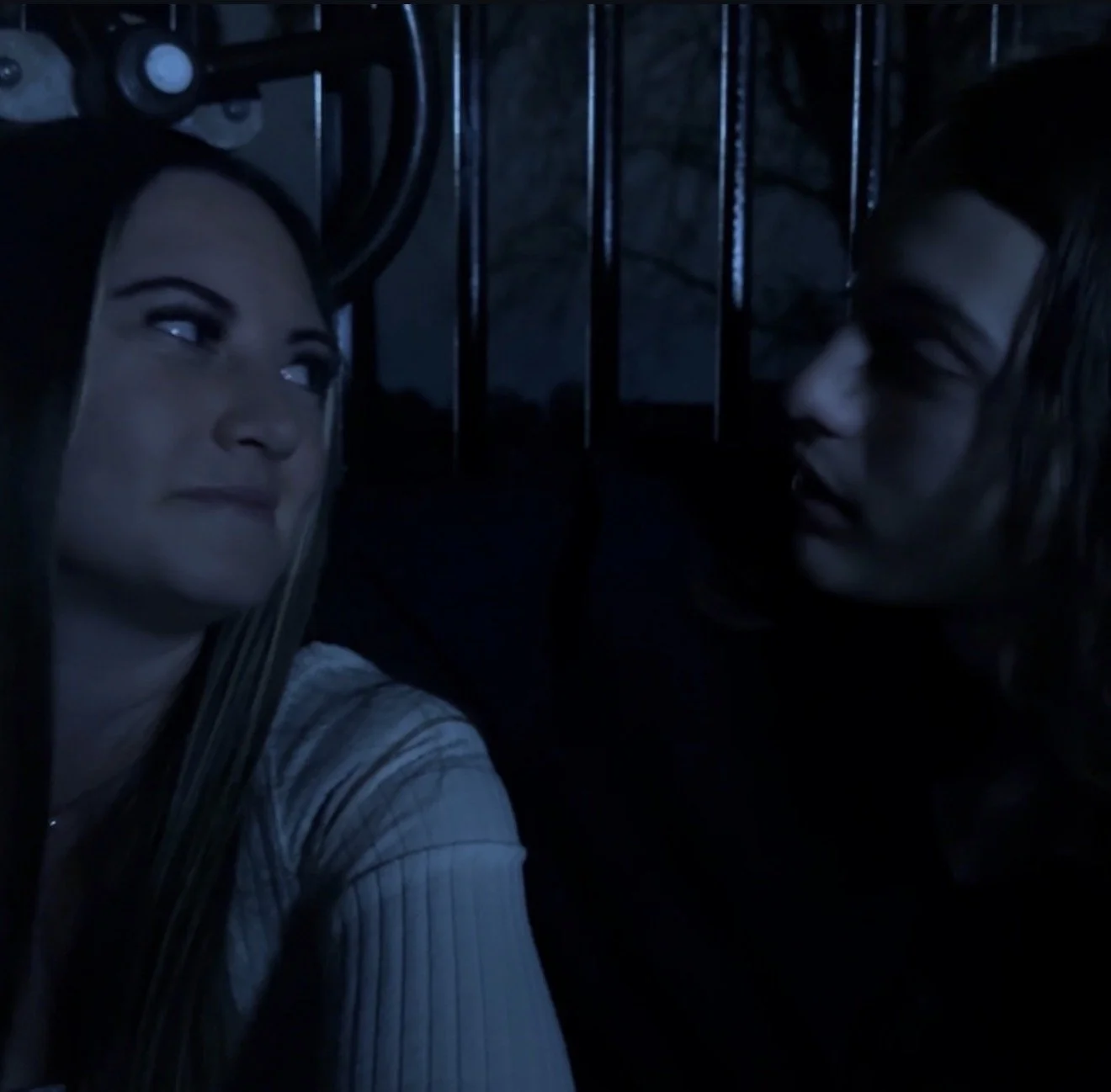
According to crew members, some of the most difficult scenes to film were not the bloodiest ones. Instead, the hardest moments were often the quieter scenes where tension had to build slowly before the horror exploded on screen. Creating fear without relying entirely on gore required patience from both the actors and the camera crew.
There were also plenty of unexpected moments.
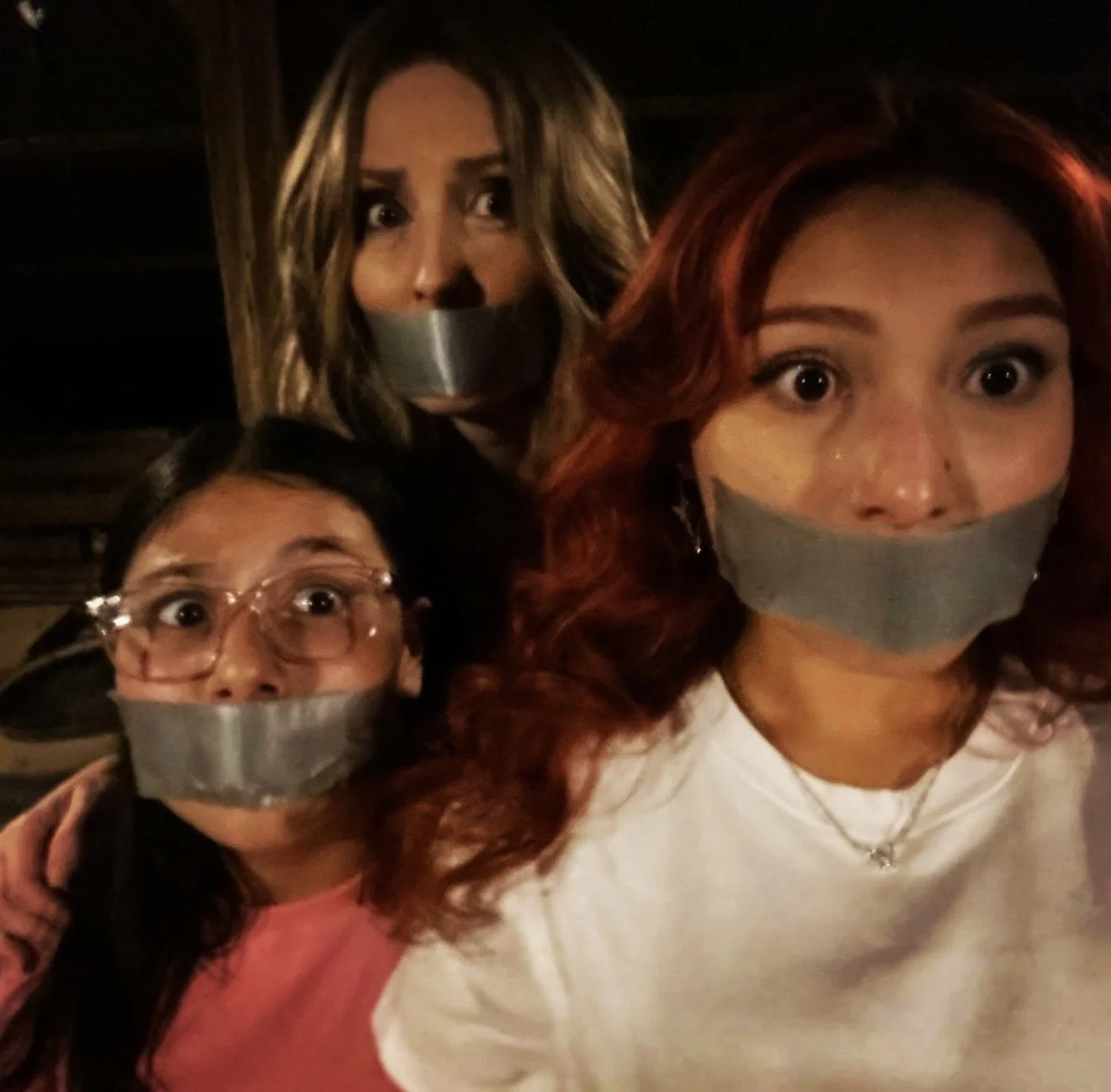
One of the most memorable incidents happened during production when police were reportedly called to the filming location after a witness heard screaming and crying from a young child and became concerned about what was happening. Cast and crew had to explain that a movie was being filmed and provide proof of production. According to published trivia about the film, an officer even commented on how realistic the special effects appeared. Once everything was cleared up, filming continued.
While moments like that created stress at the time, they later became one of the stories the cast laughed about the most.
Another challenge came from filming emotional scenes. Horror movies are often remembered for their kills and scares, but the cast knew they had to make audiences care about the characters before the terror began. Several actors spent extra time rehearsing scenes to make relationships feel natural and believable. By the time filming wrapped, many cast members had become close friends.
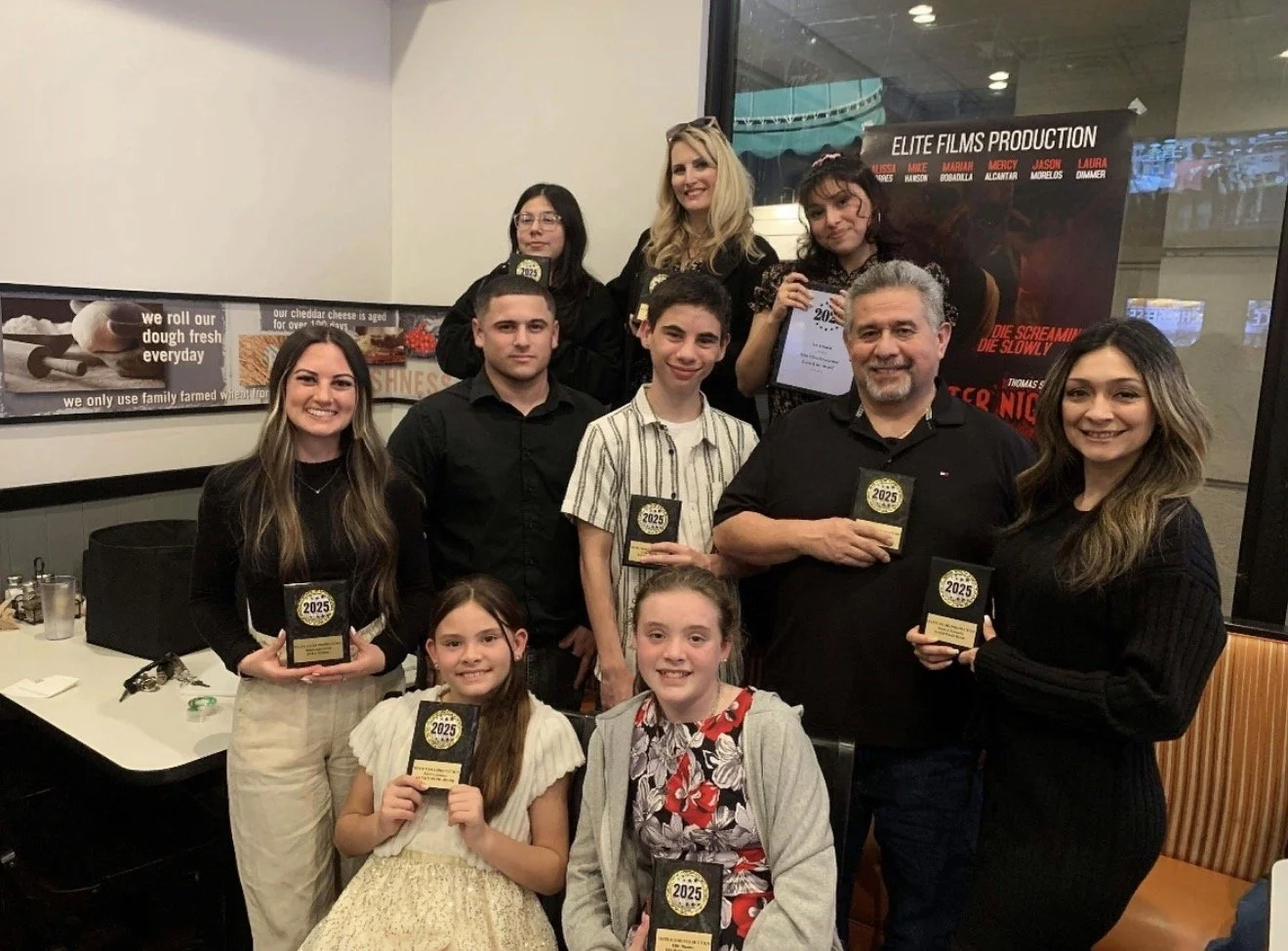
The production also relied heavily on teamwork. Independent films don't have the luxury of massive studio budgets. Every person on set played an important role. Whether someone was helping move equipment, setting up lights, assisting with makeup, or helping coordinate scenes, everyone contributed to bringing the story to life.
Thomas Sahagun also took on multiple responsibilities during production. In addition to directing, he wrote the screenplay and later handled editing duties. This allowed him to maintain a consistent vision throughout the project. From the first page of the script to the final cut, the goal was to create a film that horror fans would remember.
Perhaps one of the most rewarding parts of the entire experience came after the movie was released. Fans began sharing artwork, discussing theories, posting reviews, and praising the film's killer. Independent filmmakers often hope their work will connect with an audience. Seeing fans embrace Mr. Slaughter and continue talking about the movie months after release became one of the biggest victories for everyone involved.
Today, Slaughter Night stands as one of Elite Films Production's most recognized projects. What started as an ambitious horror film became a production filled with long nights, unexpected surprises, challenges, and unforgettable memories.
For Thomas Sahagun and the team behind the film, the experience proved something important: independent horror is built on passion. Every scream, every drop of fake blood, every late night shoot, and every obstacle overcome became part of the story behind the story.
While fans know the terror that happened on screen, those who were there will always remember the laughter between takes, the friendships formed during production, and the determination that helped turn an idea into a finished film.
And if the excitement surrounding the franchise is any indication, the story of Slaughter Night is far from over.
By: Pink Moon Pictures
June 25, 2026